
Fall in Middle Tennessee rarely flips straight from summer to winter. One week you’re still running the air conditioner, and the next you’re reaching for a jacket.
Even so, the way your home uses electricity changes quickly this time of year. Days get shorter, exterior lights stay on longer, holiday decorations come out of storage, and heating equipment goes back into regular use. That makes October a great time for a quick electrical check-up, and you don’t need any electrical experience to spot most warning signs.
Test Your GFCI Outlets
Start where electricity and water are most likely to meet: bathrooms, kitchens, laundry areas, garages, basements, and outdoor spaces. These areas should be protected by ground-fault circuit interrupters (GFCI outlets), which cut power in a fraction of a second when they detect current flowing somewhere it shouldn’t.
To test one, plug in a small lamp and press the TEST button. The light should go out. Then press RESET to restore power. The Consumer Product Safety Commission (CPSC) recommends testing GFCIs monthly. If an outlet won’t trip, won’t reset, or looks damaged, have it checked.
Inspect Outdoor Outlets and Covers
Outdoor outlets face rain, humidity, heat, cold, and the occasional run-in with a string trimmer. Walk around your home and look for covers that are cracked, missing, or no longer close, along with outlets that feel loose or show rust or discoloration.
Fix any problems before winter weather and holiday decorating arrive. For outlets that will power lights for weeks at a time, an “in-use” (bubble-style) cover keeps the receptacle protected while a cord is plugged in.
Check Your Outdoor and Security Lighting
Sunset keeps arriving earlier, and once Daylight Saving Time ends on Sunday, November 1, your porch, driveway, and walkway lights will be working longer hours than they have all year.
Walk your property after dark and look for dim spots near steps and entrances, plus fixtures that flicker, burn through bulbs, or turn on inconsistently. Sometimes the fix is just a bulb. Recurring problems, though, can point to a loose connection or wiring issue worth a closer look.
Inspect Extension Cords Before Using Them Again
Before plugging in last year’s holiday cords, check for cracked insulation, fraying, damaged plugs, exposed wiring, or signs of overheating. If you find any of these, replace the cord. The CPSC recommends replacing damaged extension cords and using only outdoor-rated cords outside.
Check the cord’s rating before connecting high-demand equipment, and remember that extension cords are for temporary use, not a permanent substitute for outlets. With the heating season coming, one rule deserves special mention: plug space heaters directly into a wall outlet, never into an extension cord or power strip.
Test Smoke and Carbon Monoxide Alarms
These aren’t strictly electrical, but they belong on every fall checklist, especially as furnaces and fireplaces come back into use. The CPSC recommends testing smoke and CO alarms monthly, with smoke alarms on every level, inside each bedroom, and outside sleeping areas, and CO alarms on every level and outside sleeping areas.
Hardwired alarms usually have backup batteries that still need attention. Check the date on each unit as well, since the National Fire Protection Association recommends replacing smoke alarms every 10 years.
Pay Attention to Breakers That Keep Tripping
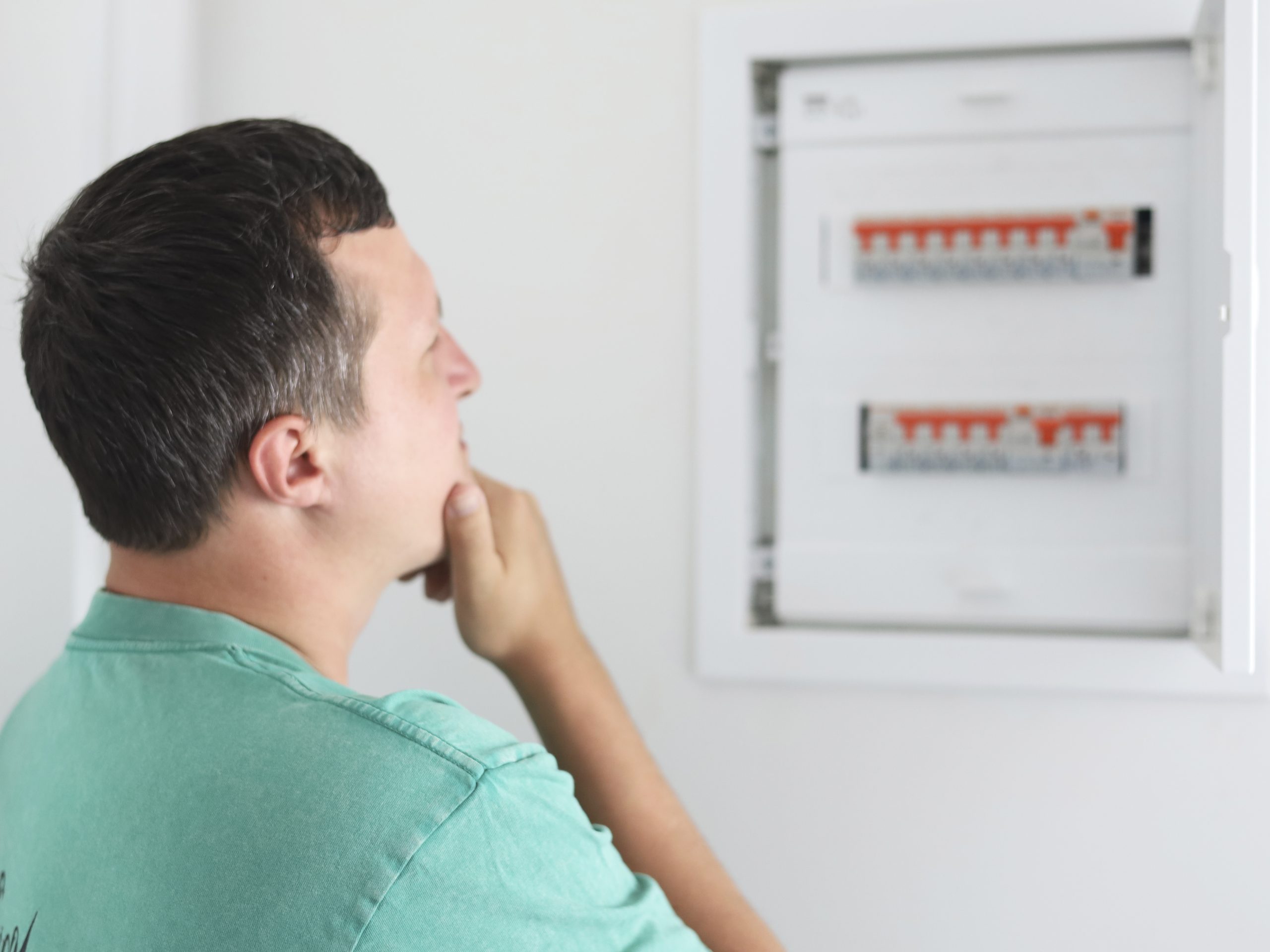
A breaker that trips once while several appliances are running usually has an obvious explanation. A breaker that trips repeatedly is different. Breakers shut off power when conditions become unsafe, so resetting the same one over and over doesn’t fix the underlying problem.
Repeated trips can come from an overloaded circuit, a faulty appliance, a short circuit, or a ground fault. You don’t need to diagnose it yourself. If it keeps happening, have the circuit evaluated.
Don’t Ignore Small Warning Signs
Electrical problems aren’t always dramatic. Often the first clue is something you’ve gotten used to: a light that flickers now and then, an outlet that feels warm, a buzzing switch, a loose-fitting plug, or one room that seems to have more problems than the rest of the house. Fall is the time to address these before holiday gatherings and cold weather add extra load.
When Should You Call an Electrician?
Call a licensed electrician if you notice repeated breaker trips, damaged or scorched outlets, burning odors, buzzing, unusually warm components, or electrical problems you can’t explain. If you ever see smoke or flames, get everyone out and call 911. Electrical work is one area of home maintenance where guessing isn’t worth the risk.
Fall Electrical Safety FAQs
How often should I test my GFCI outlets? The CPSC recommends testing GFCI outlets once a month using the TEST and RESET buttons.
Can I plug a space heater into an extension cord? No. Space heaters draw a lot of power and should always be plugged directly into a wall outlet.
Why does my breaker keep tripping? Common causes include an overloaded circuit, a faulty appliance, a short circuit, or a ground fault. A breaker that trips repeatedly should be evaluated by a licensed electrician.
A Little Fall Maintenance Goes a Long Way. A few minutes of looking around now is a lot easier than discovering a problem while you’re hanging holiday lights or hosting family.
If something about your home’s electrical system doesn’t look or feel right, Dutton Electric serves homeowners throughout Murfreesboro, Rutherford County, and surrounding Middle Tennessee communities.
Call 615-416-5954 to schedule electrical service or have a concern checked out.